What Happens After a Root Canal?
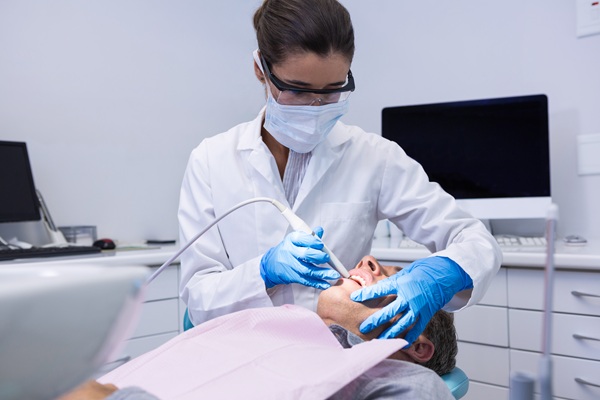
After a root canal, the body begins a natural healing process that quickly restores comfort and dental health. While this is a common procedure that has a negative reputation, many patients feel nervous about undergoing pain treatment. Fortunately, recovery is usually smooth, straightforward, and manageable. Having clear expectations about post-treatment care in advance helps ease anxiety and empower you to protect the treated tooth as it heals.
Immediate recovery after treatment
Local anesthetic keeps the mouth numb for several hours after the procedure. Mild soreness or tenderness in the tooth is normal once the anesthesia wears off, as the surrounding tissues need time to settle. These simple self-care habits help protect the area during the initial recovery phase:
- Take over-the-counter pain relievers as directed by the dental provider
- Chew food on the opposite side of the mouth
- Eat soft items such as yogurt, warm soup, or mashed potatoes
- Brush carefully around the treated site
- Avoid extremely hot or cold drinks to prevent sensitivity
- Refrain from eating hard or crunchy snacks
By following these practical steps, the patient can keep the area clean and reduce discomfort during the first few days after root canal treatment.
Signs of normal healing
Healing takes time, but patients should notice steady daily progress as the inflammation subsides. Healthy recovery typically includes the following indicators:
- Reduced gum soreness around the treatment area
- Less pressure when biting down on soft foods
- Decreased inflammation in the surrounding tissue
- Return of normal jaw movement without joint tightness
- No lingering pain or sharp throbbing
Steady healing progress assures patients that their recovery is on schedule and reduces the risk of postoperative complications such as infection.
When additional dental care may be necessary
While most root canal procedures heal without issues, certain symptoms require quick professional care. Signs to watch for include persistent or worsening pain, sudden facial swelling, infection, or an uneven bite. It is also important to get professional help if the temporary crown feels loose or falls out. When patients pay attention to the treatment site, they can return to a trusted dental provider that can address their concerns promptly and efficiently.
Placing the permanent restoration
A root canal removes infected nerve tissue, which cleanses the tooth but leaves the remaining structure delicate over time. Dentists place a temporary crown right away to seal the inner tooth from bacteria and debris. However, temporary materials serve only as short-term protection. In most cases, the dentist will recommend a permanent crown for durable, long-term protection. The crown restores the patient’s full biting strength, seals out deep bacteria, and prevents accidental tooth fractures.
Long-term benefits of root canal treatment
The primary goal of root canal treatment is to preserve the natural tooth. When the patient retains their natural roots, it preserves their natural jawbone structure and keeps nearby teeth from shifting out of place. With a solid final restoration and consistent home care, a treated tooth can function as it did before treatment.
Call our office to schedule an appointment
Attentive post-procedure maintenance allows you to recover quickly and maintain a healthy, functional smile for years to come. Do you have questions or concerns about the recovery process? Call our Jasper office to schedule a follow-up appointment.
Request an appointment here: https://www.jasperdentalcare.com or call Jasper Dental Associates at (706) 222-1279 for an appointment in our Jasper office.
Check out what others are saying about our dental services on Yelp: Root Canal Treatment in Jasper, GA.
Related Posts
Finding an emergency dentist on short notice provides immense relief when sudden oral pain or an unexpected dental injury disrupts daily routines. From severe toothaches to infections, these abnormal symptoms warrant prompt professional attention to prevent further complications. Therefore, whether you maintain routine appointments or this is your first dental appointment in a while, our…
When your mouth has been worn down due to years of wear and tear, dental restoration can help you get your smile back and improve your oral health. Even if we do not think about it, we rely on our teeth, tongue, gums, jaw, and throat for more than we realize, and keeping all these…
A dental crown serves as a reliable way to protect a damaged or weakened natural tooth. These durable caps rebuild the tooth's shape while offering a shield against the pressures of chewing and speaking. While crowns are known to last a decade or more, the true lifespan depends on a few factors.The primary goal of…
A cosmetic dentist may recommend teeth bonding for those wanting a more dazzling smile without an invasive procedure. Bonding can cover staining on the teeth and correct cosmetic issues affecting the enamel. Learning about the basics of teeth bonding can help you decide whether you may benefit from consulting a cosmetic dentist.Teeth bonding, or dental…